Uncover the 7 Check Engine Light secrets every car owner must know to prevent breakdowns, save money, and extend your vehicle’s lifespan.
Table of Contents
1. What Does the Check Engine Light Really Mean?
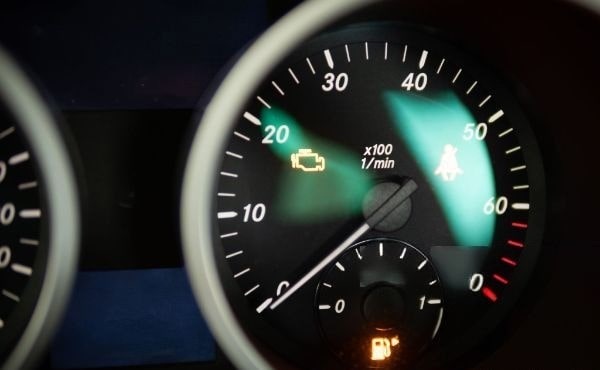
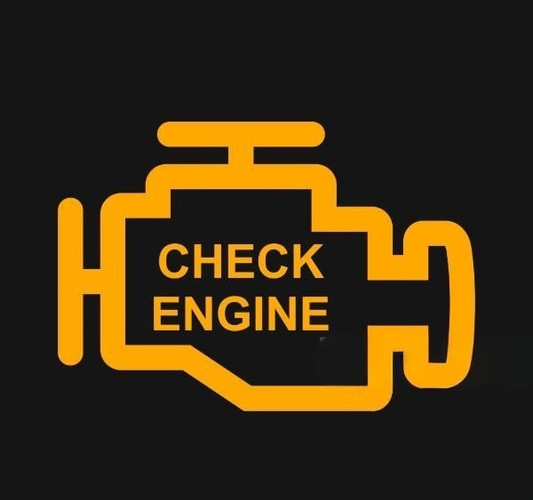
The Check Engine Light (CEL) is part of your car’s onboard diagnostics system (OBD-II). When it illuminates, your vehicle’s computer has detected an issue affecting emissions, fuel efficiency, or engine performance.
-
Solid Light: Indicates a minor to moderate issue (e.g., faulty oxygen sensor).
-
Flashing Light: Signals a severe problem requiring immediate attention (e.g., engine misfire).
Ignoring it can lead to costly repairs, so never dismiss it as a "false alarm."
2. Don’t Ignore the Flashing Light – It’s an Emergency
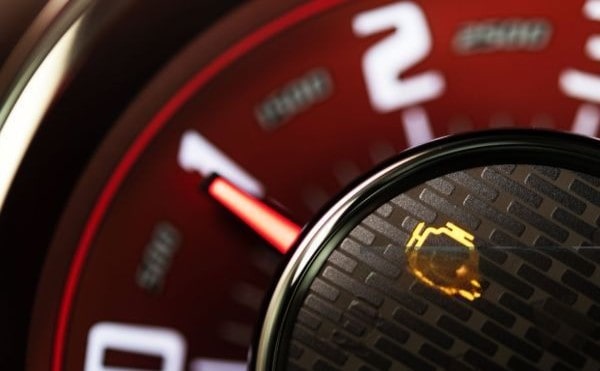
A flashing Check Engine Light means your engine is misfiring, potentially dumping unburned fuel into the exhaust system. This can:
-
Destroy the catalytic converter (a $1,000+ repair).
-
Cause engine damage if left unchecked.
What to do:
✔ Reduce speed and avoid heavy acceleration.
✔ Pull over safely and turn off the engine.
✔ Call a mechanic or tow truck if the problem persists.
3. Top 5 Most Common Causes of a Check Engine Light
Understanding common triggers helps you diagnose issues faster:
1. Loose or Faulty Gas Cap
-
Why it happens: A broken or loose cap lets fuel vapors escape, triggering the emissions system.
-
Fix: Tighten or replace the cap (~$15).
2. Faulty Oxygen (O2) Sensor
-
Why it matters: A bad sensor causes poor fuel economy and higher emissions.
-
Fix: Replacement costs $100–$300.
3. Bad Spark Plugs or Ignition Coils
-
Symptoms: Rough idling, poor acceleration.
-
Fix: Replace spark plugs (~$50–$150).
4. Catalytic Converter Failure
-
Causes: Ignored engine misfires, oil leaks.
-
Fix: Replacement can cost $1,000+.
5. Mass Airflow Sensor (MAF) Issues
-
Symptoms: Hesitation, stalling, poor fuel economy.
-
Fix: Cleaning or replacement (~$200–$400).
For a deeper dive, check Car and Driver’s guide.
4. How to Diagnose the Problem Yourself (Step-by-Step)
You don’t always need a mechanic to diagnose a Check Engine Light. Here’s how:
Step 1: Use an OBD-II Scanner
-
Plug the scanner into your car’s OBD-II port (usually under the dashboard).
-
Read the trouble codes (e.g., P0420 = catalytic converter issue).
Step 2: Research the Code
-
Google the code or check a database like OBD-Codes.com.
Step 3: Decide on Action
-
Simple fix? Tighten the gas cap or replace a sensor.
-
Complex issue? Visit a mechanic.
5. When You Should Visit a Mechanic Immediately
Some problems cannot wait:
-
Flashing Check Engine Light
-
Engine knocking or stalling
-
Significant loss of power
-
Smoke from the exhaust
Delaying repairs can turn a $200 fix into a $2,000 disaster.
6. Preventive Maintenance Tips to Avoid Check Engine Light Issues
Proactive care keeps the Check Engine Light off:
Change oil regularly (every 5,000–7,500 miles).
Replace air filters (clogged filters strain the engine).
Inspect spark plugs (every 30,000 miles).
Check fuel system (dirty injectors cause misfires).
For more tips, see our car maintenance checklist.
7. Why Every Car Owner Needs an OBD-II Scanner
A $20–$100 scanner can save you hundreds in diagnostics.
Best Budget Pick: BlueDriver Bluetooth Scanner
Pro Tip: Some scanners even reset the Check Engine Light after repairs.
8. Frequently Asked Questions (FAQs)
Q: Can I drive with a solid Check Engine Light?
A: Yes, but get it checked soon. A flashing light means stop driving immediately.
Q: Will disconnecting the battery reset the Check Engine Light?
A: Temporarily, but the code will return if the issue persists.
Q: How much does it cost to fix a Check Engine Light issue?
A: From $5 (gas cap) to $2,000+ (catalytic converter).
Final Thoughts
Understanding these 7 Check Engine Light secrets helps you avoid costly repairs and keep your car running smoothly.