
Table of Contents
Introduction to Catalytic Converter
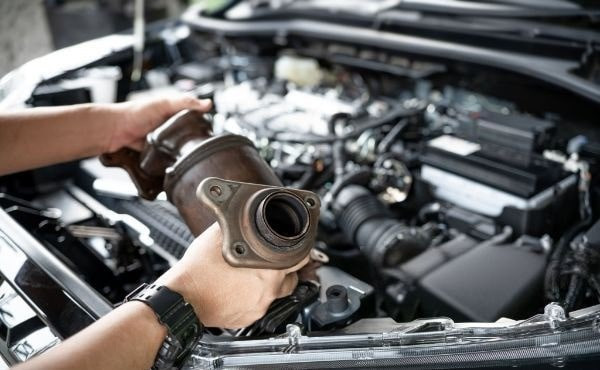
A catalytic converter is one of the most crucial components in your car’s exhaust system. Its main role is to convert harmful gases produced by the engine into less harmful emissions before they exit your vehicle. Without it, your car would release dangerous pollutants directly into the atmosphere.
If you’re looking for high-quality replacements, you can explore SparesFlex Catalytic Converter parts for various car makes and models.
How a Catalytic Converter Works
A catalytic converter works by using a chemical reaction to transform toxic exhaust gases like carbon monoxide (CO), hydrocarbons (HC), and nitrogen oxides (NOx) into carbon dioxide (CO₂), nitrogen (N₂), and water vapor.
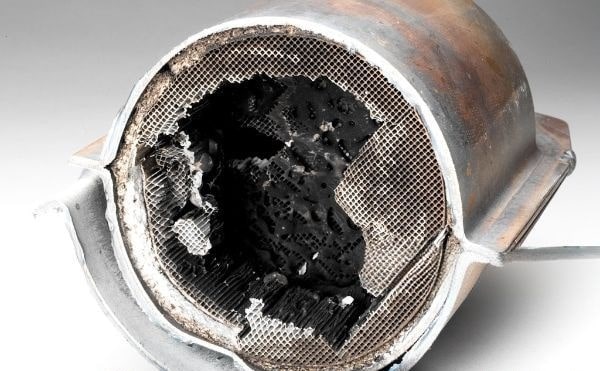
The converter contains a honeycomb structure coated with precious metals such as platinum, palladium, and rhodium. These metals act as catalysts, meaning they speed up the reaction without being consumed in the process.
For a more in-depth technical explanation, you can check out the EPA’s automotive emission guidelines.
Main Types of Catalytic Converters
There are three primary types:
-
Two-way converters – Convert CO and HC into CO₂ and H₂O.
-
Three-way converters – Handle CO, HC, and NOx.
-
Diesel oxidation catalysts (DOCs) – Designed for diesel vehicles.
Why Catalytic Converters Are Important
The catalytic converter plays a vital role in reducing air pollution and helping your car pass emissions tests. Without one, you risk harming the environment and facing legal penalties in certain countries.
Common Problems and Symptoms
A failing catalytic converter can cause:
-
Reduced engine performance
-
Increased fuel consumption
-
Rotten egg smell from exhaust
-
Check engine light activation
For detailed troubleshooting, visit AutoZone’s catalytic converter guide.

How to Maintain Your Catalytic Converter
Here are tips to keep it working efficiently:
-
Use the correct fuel and oil type.
-
Avoid engine misfires.
-
Perform regular exhaust inspections.
-
Fix engine problems early to prevent converter damage.
When to Replace Your Catalytic Converter
You should replace your catalytic converter if it’s clogged, physically damaged, or fails an emissions test. Visit the SparesFlex Catalytic Converter section to find the right fit for your vehicle.
Cost of a Catalytic Converter Replacement
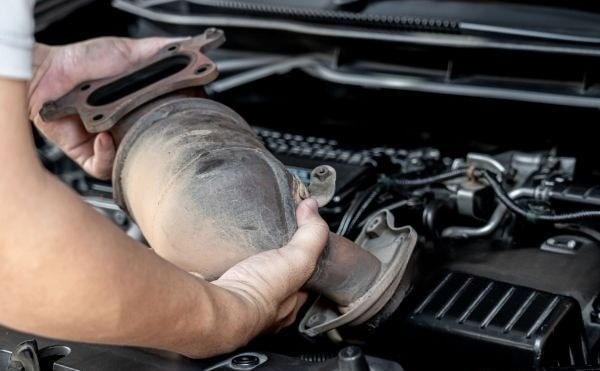
Replacement costs vary from $800 to $2,500 depending on the car model and whether you choose an OEM or aftermarket part. Labor costs can also add $100–$300.
Final Thoughts
The catalytic converter is not just a legal requirement but a vital component for your car’s performance and environmental impact. By maintaining it properly, you’ll ensure better fuel efficiency, reduced emissions, and a smoother driving experience.