
Table of Contents
What Are Fuel Injectors?
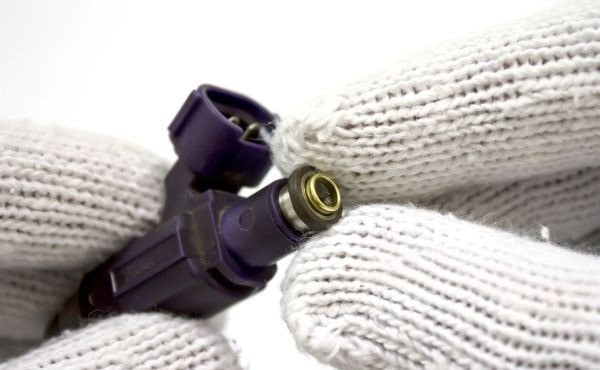
Fuel injectors are precision-engineered components that deliver fuel into an engine’s combustion chamber or intake manifold. They replaced carburetors in modern vehicles due to their superior fuel efficiency, reduced emissions, and better throttle response.
Each fuel injector sprays a fine mist of fuel, ensuring optimal air-fuel mixture for combustion. This process is controlled by the engine’s computer (ECU) for maximum efficiency.
How Fuel Injectors Work
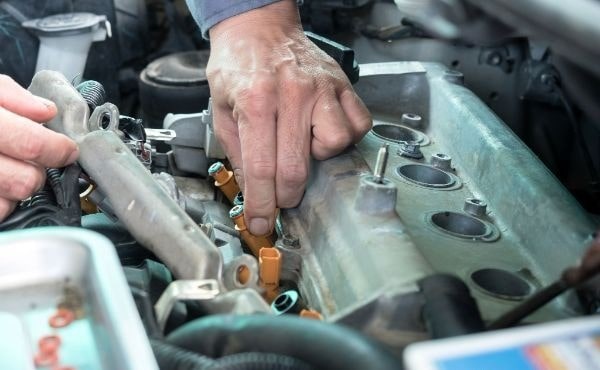
The operation of fuel injectors involves several key steps:
-
Fuel Pump Pressurization – The fuel pump sends gasoline or diesel at high pressure to the injectors.
-
ECU Signal – The engine control unit calculates the precise amount of fuel needed.
-
Solenoid Activation – An electromagnetic solenoid opens the injector nozzle.
-
Atomized Spray – Fuel is sprayed in a fine mist for efficient combustion.
For a deeper technical explanation, visit HowStuffWorks – Fuel Injection
Different Types of Fuel Injectors
Not all fuel injectors are the same. The most common types include:
1. Throttle Body Injection (TBI)
-
Older system with one or two injectors above the throttle body.
-
Simpler but less efficient than newer designs.
2. Port Fuel Injection (PFI)
-
Each cylinder has its own injector near the intake valve.
-
Provides better fuel distribution than TBI.
3. Direct Injection (GDI / DI)
-
Injects fuel directly into the combustion chamber.
-
Improves power and fuel economy (learn more at Engineering Explained).
Symptoms of a Failing Fuel Injector
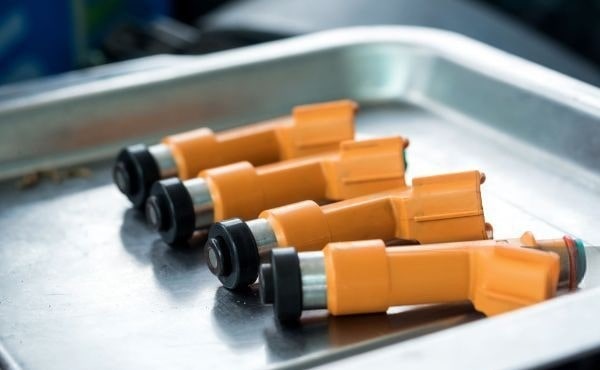
A malfunctioning fuel injector can cause several noticeable issues:
-
Engine Misfires – Uneven fuel delivery leads to rough running.
-
Poor Gas Mileage – Clogged injectors waste fuel.
-
Rough Idling – Inconsistent spray disrupts engine balance.
-
Check Engine Light – The ECU detects injector-related faults.
If you suspect an issue, browse SparesFlex’s Fuel Injector Selection for replacements.
Cleaning and Maintenance Tips
Proper care can extend the life of fuel injectors. Here’s how to maintain them:
1. Use Fuel Injector Cleaner
-
Additives like Seafoam or Lucas Oil help dissolve deposits.
2. Professional Ultrasonic Cleaning
-
For heavily clogged injectors, a mechanic can perform deep cleaning.
3. Regular Fuel Filter Changes
-
A dirty filter can lead to injector clogging.
For a detailed cleaning guide, check Popular Mechanics’ Tutorial.
When to Replace Fuel Injectors
While fuel injectors can last 80,000–100,000 miles, replacement may be needed if:
-
Cleaning no longer restores performance.
-
There’s visible leakage or damage.
-
The engine consistently runs poorly.
For high-quality replacements, visit SparesFlex.
FAQs About Fuel Injectors
1. Can a bad fuel injector damage my engine?
Yes, a faulty injector can cause misfires, overheating, and catalytic converter damage.
2. How much does it cost to replace fuel injectors?
Between 600, depending on the vehicle and injector type.
3. Are diesel injectors different from gasoline ones?
Yes, diesel fuel injectors operate at much higher pressures.
Final Thoughts
Fuel injectors are crucial for engine efficiency and performance. Regular maintenance prevents costly repairs and keeps your vehicle running smoothly.
For reliable fuel injectors, explore SparesFlex’s collection.
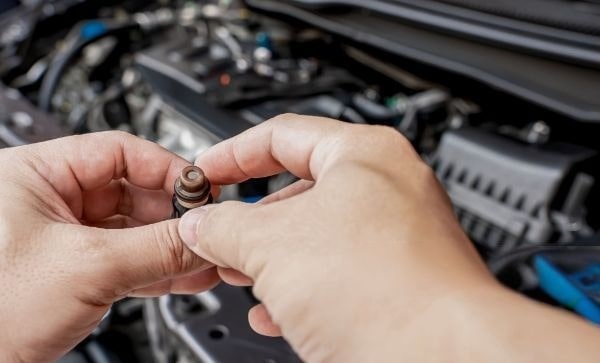
By understanding how fuel injectors function and recognizing early warning signs, you can ensure long-term engine health.