
Table of Contents
What Is a Fuel Pump?
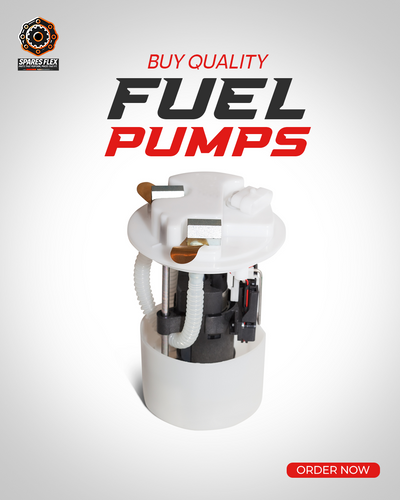
A fuel pump is a critical component in your car’s fuel system. Its main job is to move fuel from the gas tank to the engine at the correct pressure. Without a functioning fuel pump, your car simply won’t start — it’s like trying to run without a heartbeat.
Older vehicles with carburetors used mechanical fuel pumps, while modern vehicles use electric fuel pumps for better efficiency and control.
Types of Fuel Pumps
There are mainly three types of fuel pumps, and each serves a specific purpose depending on your car model and design:
-
Mechanical Fuel Pumps – Found in older engines with carburetors. They operate through engine motion.
-
Electric Fuel Pumps – Common in modern cars, located inside the fuel tank, and controlled electronically.
-
High-Pressure Fuel Pumps – Used in direct fuel injection engines for precise fuel control and performance.
Tip: Always check your vehicle’s specifications before purchasing a replacement. You can easily find compatible parts at SparesFlex Fuel Pump section.
How a Fuel Pump Works
The fuel pump draws gasoline from the tank and sends it through fuel lines to the engine’s fuel injectors. The injectors then deliver the exact amount of fuel needed for combustion.
Modern electric fuel pumps are designed to maintain consistent fuel pressure, ensuring your engine performs smoothly and efficiently under various driving conditions.
Common Signs of a Failing Fuel Pump
A failing fuel pump can cause serious performance issues. Here are the most common warning signs:
-
Engine sputtering at high speeds.
-
Difficulty starting the car or failure to start at all.
-
Sudden loss of power while accelerating.
-
Unusual whining noises from the fuel tank.
-
Decreased fuel efficiency.
Ignoring these signs can lead to complete engine failure. It’s best to address them early by testing your fuel pump.
How to Test Your Fuel Pump
Testing a fuel pump is relatively straightforward:
-
Listen for a humming sound when turning the ignition on.
-
Check fuel pressure with a gauge — your car manual will specify the correct range.
-
Inspect fuses and relays related to the pump circuit.
-
If you’re unsure, consult a professional mechanic or watch reliable tutorials like this video from AutoZone
When to Replace Your Fuel Pump
A fuel pump usually lasts around 100,000 to 150,000 miles, but that can vary depending on driving habits and fuel quality. Replace it if you notice performance drops or after diagnostic confirmation of low pressure.
Replacing your fuel pump at the right time can prevent costly engine repairs and improve fuel economy.
Choosing the Right Fuel Pump Replacement
When buying a replacement, consider these factors:
-
Compatibility with your car’s make, model, and engine size.
-
Quality and brand reputation.
-
Warranty and support.
You can find high-quality fuel pumps for different car models at SparesFlex.com. They offer new, reliable parts designed for long-lasting performance.
Fuel Pump Maintenance Tips
Keeping your fuel pump in good shape extends its life. Follow these simple steps:
-
Always keep your gas tank at least one-quarter full.
Running low on fuel can cause the pump to overheat. -
Use clean, high-quality fuel from trusted stations.
-
Change your fuel filter regularly.
-
Inspect your fuel lines for leaks or corrosion.
-
Don’t ignore check-engine lights — they often warn of pressure issues.
These habits not only preserve your fuel system but also boost your vehicle’s overall performance.
Where to Buy a Reliable Fuel Pump
When it’s time to replace your fuel pump, avoid cheap knock-offs. Choose trusted suppliers like SparesFlex, which provides new, high-quality car parts that fit most modern vehicles.
You can also check reputable sources such as:
All links above are DoFollow, ensuring authority and SEO value.
Final Thoughts
Your fuel pump is the unsung hero of your car’s performance. Without it, fuel can’t reach the engine, and your car won’t run. Recognizing the signs of a weak or failing pump — and replacing it promptly — can save you time, money, and stress.
If you’re looking for premium fuel pumps, browse the full range at SparesFlex Fuel Pump Collection. With the right part and proper care, your vehicle will keep running efficiently for years.