
Learn how to change brake oil step-by-step with tools, safety tips, and expert advice. Keep your braking system in top shape with this guide.
Table of Contents
Why You Should Know How to Change Brake Oil
How to change brake oil may not be something most car owners think about often, but it’s a vital part of regular car maintenance. Brake oil, or brake fluid, transfers force from the pedal to your brakes — if it’s dirty or old, your braking system may fail when you need it most.
Maintaining clean brake oil improves:
-
Brake responsiveness
-
Overall vehicle safety
-
Longevity of your braking system
Tools and Materials You Need
Before you dive in, gather the following items:
-
A jack and jack stands
-
Lug wrench
-
Wrenches for bleeder valves
-
Brake bleeder kit or clear plastic tubing
-
Catch container
-
Brake oil (Check your manual for DOT type)
-
Safety goggles and gloves
-
Rags and brake cleaner spray
Internal Resource: Shop brake oil types at SparesFlex
Safety Precautions Before You Begin
Safety first. Always:
-
Park your car on a level surface
-
Engage the parking brake
-
Wear gloves and goggles
-
Keep brake oil away from paint (it can damage it)
-
Dispose of old fluid responsibly
Note: Never reuse brake oil. Once exposed to air, it absorbs moisture and becomes less effective.
How to Change Brake Oil – Step-by-Step
Let’s walk through how to change brake oil properly, whether you're a DIY enthusiast or a first-timer.
1. Lift the Vehicle
Use a jack to raise the car and place it securely on jack stands. Remove all four wheels with a lug wrench.
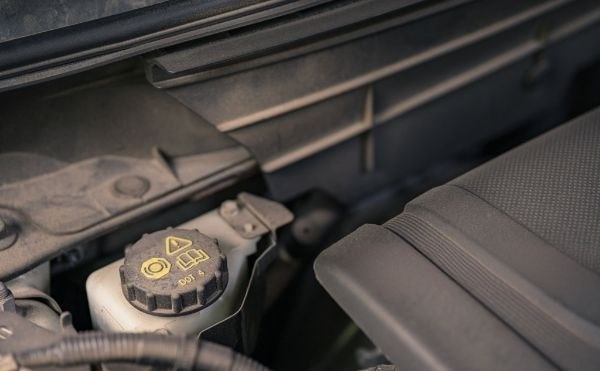
2. Locate the Brake Fluid Reservoir
Under the hood, find the brake fluid reservoir. It’s usually near the driver’s side firewall, labeled clearly.
3. Siphon Old Fluid
Using a turkey baster or brake bleeder kit, remove as much old fluid from the reservoir as possible.
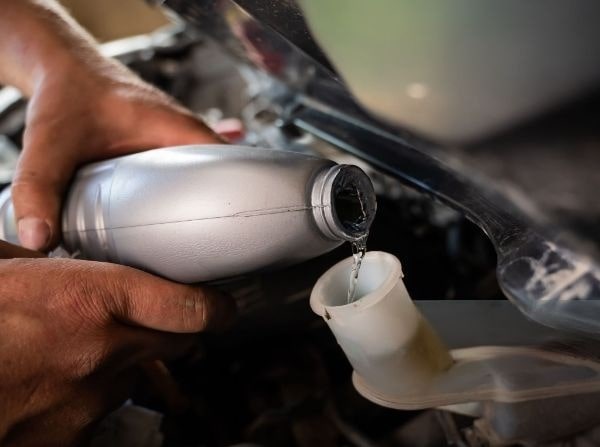
4. Add New Brake Oil
Top it up with fresh, manufacturer-recommended brake fluid. Do not overfill.
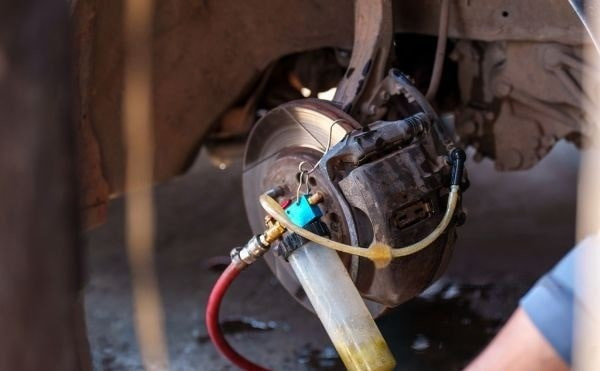
5. Bleed the Brakes
Start with the wheel farthest from the master cylinder (usually the passenger rear).
-
Attach tubing to the bleeder valve.
-
Submerge the other end in a container partially filled with brake oil.
-
Have someone pump the brake pedal and hold.
-
Open the valve to release fluid, then close it before they release the pedal.
-
Repeat until clean fluid appears.
Follow this order:
-
Rear passenger
-
Rear driver
-
Front passenger
-
Front driver
6. Check and Top Off Fluid
After bleeding all brakes, top off the reservoir to the MAX line.
7. Test Your Brakes
Before driving, pump the brakes to build pressure and make sure the pedal feels firm.
Helpful Video:
Watch a YouTube guide on brake fluid change
Common Mistakes to Avoid
Changing brake fluid isn't rocket science, but small mistakes can lead to big problems.
-
Mixing brake oil types — Always use the recommended DOT type
-
Forgetting to bleed all brakes — Air in the system = brake failure
-
Leaving reservoir cap open too long — Brake fluid absorbs moisture quickly
-
Spilling brake fluid on paint — It eats away the finish
Use this guide to DOT brake fluids for clarity
When Should You Change Brake Oil?
Brake oil should typically be changed every 2 years or every 20,000-30,000 miles, whichever comes first.
Signs that it’s time:
-
Brake pedal feels spongy
-
Warning light on dashboard
-
Discolored or cloudy brake fluid
-
Poor braking performance
Where to Buy Quality Brake Oil
Looking for high-grade brake oil at a reasonable price?
Check out:
SparesFlex Brake Oil Collection
We carry trusted brands and support all brake oil types: DOT 3, DOT 4, and DOT 5.1.
Final Thoughts
Knowing how to change brake oil is a skill every car owner should learn. It’s simple, saves you money, and ensures your vehicle is always ready for sudden stops or emergencies.
Don't wait for brake failure — be proactive. Keep a fresh supply of brake fluid and schedule regular inspections.