

Table of Contents
Introduction to Oxygen Sensors in the Car
The oxygen sensors in the car are essential components of the exhaust system, responsible for measuring the amount of oxygen in the exhaust gases. This information helps the engine control unit (ECU) adjust the air-fuel ratio for optimal combustion.
If you’re searching for reliable replacement parts, check out the SparesFlex Oxygen Sensors in the Car section.
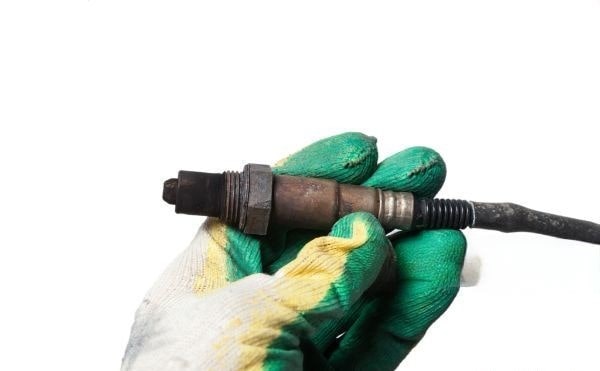
How Oxygen Sensors Work
An oxygen sensor measures the oxygen concentration in the exhaust gas and sends voltage signals to the ECU. The ECU then adjusts the fuel injection system to ensure the engine burns fuel efficiently and within emissions standards.
For more technical details, you can explore the EPA’s emission control guide.
Types of Oxygen Sensors in the Car
There are several types of oxygen sensors:
-
Zirconia sensors – Most common, using ceramic materials.
-
Titania sensors – Change resistance based on oxygen levels.
-
Wideband sensors – Provide more precise air-fuel measurements.
To learn more, visit Bosch Auto Parts’ oxygen sensor page.
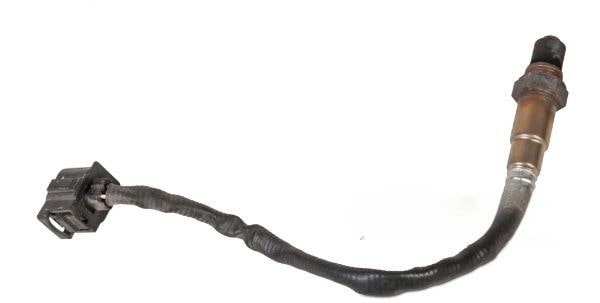
Importance of Oxygen Sensors in Vehicle Performance
The oxygen sensors in the car play a critical role in:
-
Fuel efficiency
-
Lower emissions
-
Preventing damage to the catalytic converter
-
Ensuring smoother engine performance
Signs of a Failing Oxygen Sensor
Symptoms that may indicate a faulty oxygen sensor include:
-
Check engine light illumination
-
Poor fuel economy
-
Rough idling or misfires
-
Failed emissions test
You can find a detailed troubleshooting guide at
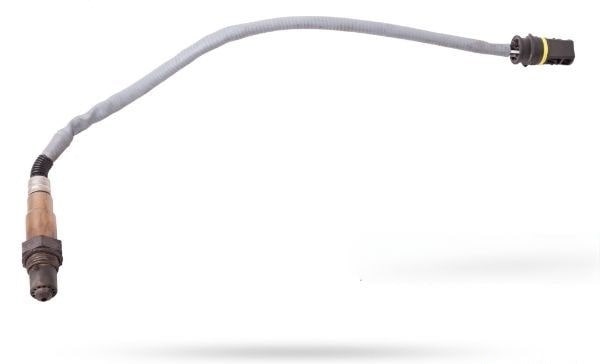
How to Maintain Oxygen Sensors in the Car
To extend the lifespan of your oxygen sensors:
-
Use high-quality fuel.
-
Keep up with regular oil changes.
-
Avoid engine misfires.
-
Inspect your exhaust system regularly.
When to Replace Oxygen Sensors
You should replace your oxygen sensors in the car every 60,000–90,000 miles or if they fail a performance test. For replacements, see SparesFlex Oxygen Sensors.
Cost of Replacement
Replacement costs typically range between $150 and $400 depending on your vehicle model and whether you choose OEM or aftermarket parts. Labor may add $50–$100.
Final Thoughts
The oxygen sensors in the car are vital for performance, emissions control, and fuel economy. Keeping them in good condition will help your engine run efficiently and last longer.