
Table of Contents
What Is a Radiator?
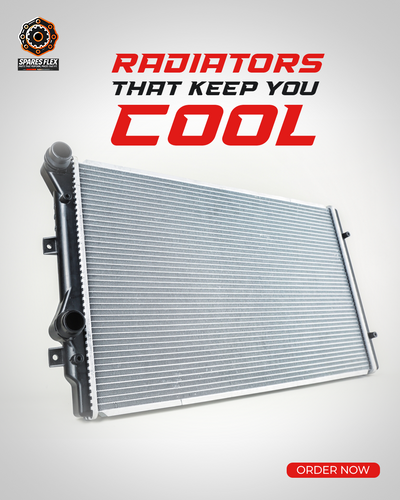
A radiator is one of the most vital components of your vehicle’s cooling system. Its main job is to keep your engine from overheating by transferring heat away from the engine coolant.
Every time your engine burns fuel, it generates a massive amount of heat. Without a properly working radiator, this heat could quickly cause engine damage or complete failure.
In simple terms, the radiator is the heart of your car’s cooling system — just as the fuel pump powers your engine, the radiator ensures it doesn’t overheat.
How Does a Radiator Work?
The radiator operates by circulating coolant through the engine. As the coolant absorbs heat, it travels back to the radiator, where that heat is released into the air through thin metal fins.
A fan helps push air through these fins to speed up the cooling process, especially when the vehicle isn’t moving.
This entire process repeats constantly, ensuring your engine maintains an optimal operating temperature. You can read more about how cooling systems work from this AutoZone cooling system guide.
Types of Radiators
Not all radiators are built the same. Depending on your vehicle, you’ll find a few different types:
-
Aluminum Radiators – Lightweight and excellent for heat dissipation.
-
Copper-Brass Radiators – Common in older cars, known for strong heat conductivity.
-
Plastic and Aluminum Radiators – The most common type in modern vehicles, offering affordability and efficiency.
When choosing a replacement, it’s crucial to match your car’s original specifications. You can explore the radiator collection at SparesFlex to find a perfect fit for your make and model.
Common Signs of a Faulty Radiator
A failing radiator can lead to overheating and serious engine damage. Here are the most common symptoms to watch for:
-
Engine Overheating: The most obvious sign your radiator isn’t working properly.
-
Coolant Leaks: Puddles of green, yellow, or orange fluid under your vehicle indicate a leak.
-
Sludge in Coolant: A rusty or oily mixture in your radiator reservoir can block heat transfer.
-
Low Coolant Levels: Caused by cracks or leaks in the radiator.
-
Steam from the Hood: A sign of severe overheating — pull over immediately.
Pro Tip: Always let your engine cool before checking the radiator cap. Opening it while hot can cause severe burns.
How to Maintain Your Radiator
Keeping your radiator in good shape is essential for preventing overheating and extending your engine’s life. Here’s how:
-
Regularly Check Coolant Levels
Low coolant can lead to overheating. Always use the recommended coolant for your car. -
Flush Your Radiator
Perform a radiator flush every 30,000 miles or as recommended in your vehicle manual. -
Inspect Hoses and Clamps
Cracked or loose hoses can cause leaks and poor coolant flow. -
Use Distilled Water in Coolant Mixtures
Tap water contains minerals that can corrode radiator components. -
Keep the Radiator Clean
Dirt and debris can block airflow through the fins. Gently spray with water to remove buildup.
For detailed maintenance advice, check this NAPA radiator care article
When to Replace a Radiator
Like any part, a radiator doesn’t last forever. On average, radiators last between 8 to 10 years, depending on your car and driving conditions.
Replace your radiator if:
-
You see coolant leaking frequently.
-
The temperature gauge rises even after adding coolant.
-
There’s visible corrosion or damage.
-
Your heater stops blowing hot air (a sign of coolant flow problems).
Neglecting a failing radiator can lead to a blown head gasket or warped engine block, both of which are expensive repairs.
Choosing the Right Radiator for Your Car
When shopping for a new radiator, consider these factors:
-
Compatibility: Always confirm that the radiator matches your vehicle’s model, year, and engine.
-
Material: Aluminum radiators offer the best heat transfer and durability.
-
Warranty: Choose parts that come with a reliable manufacturer warranty.
-
Brand Reputation: Stick with trusted automotive brands.
You can find high-quality radiators that fit most modern cars at SparesFlex. They offer new, durable radiators designed to keep your engine running cool and efficient.
Where to Buy a Reliable Radiator
Finding a reliable radiator is easier when you know where to look.
At SparesFlex.com, you’ll find premium-quality car radiators for all makes and models — all new, never refurbished, and made to OEM standards.
For additional reference, you can explore trusted automotive parts sources like:
All the above are DoFollow links, offering credible sources for readers and SEO value for your site.
Final Thoughts
Your radiator may not get much attention, but it’s the unsung hero of your engine’s performance. Without it, your vehicle wouldn’t last long under the heat and pressure of daily driving.
A well-maintained radiator ensures your car stays cool, efficient, and reliable. If you’re noticing any symptoms of radiator issues, don’t wait — browse SparesFlex Radiator Replacements and find the perfect part to keep your engine safe.