
Table of Contents
Introduction
Signs of bad windshield wipers often go unnoticed until drivers face heavy rain, fog, or snow. Wipers are one of the simplest yet most important safety features of your car, ensuring visibility during poor weather conditions. Ignoring worn-out wipers can lead to dangerous driving situations and costly repairs.
Why Windshield Wipers Matter
Windshield wipers may seem like a small part of your car, but they play a critical role in maintaining visibility. According to the National Highway Traffic Safety Administration (NHTSA) , poor visibility is a leading cause of accidents during bad weather.
For drivers who want to maintain top safety, checking the condition of your wipers is just as important as checking your engine oil or brake system.
You can find quality replacement wipers at SparesFlex
Common Signs of Bad Windshield Wipers
Streaking on the Glass
If your windshield shows streaks after wiping, it’s one of the most obvious signs of bad windshield wipers. Streaking occurs when the rubber blade has hardened, cracked, or become uneven. This can significantly reduce your ability to see clearly.
Chattering Noises
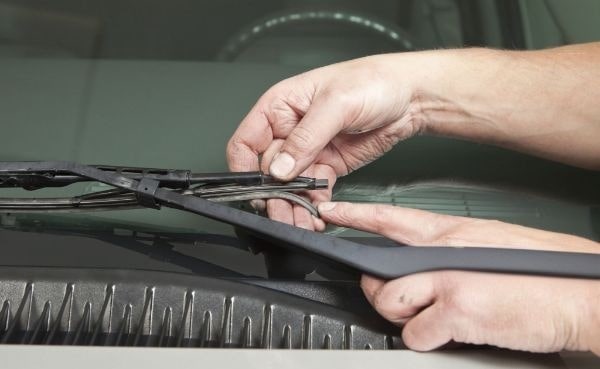
Another clear indicator is when wipers make a loud chattering or squeaking sound. This usually means the blades are not making proper contact with the windshield surface. Over time, this noise becomes more frequent, signaling that it’s time for a replacement.
Uneven Cleaning
Bad windshield wipers often leave patches of water untouched, especially in the middle of the windshield. This uneven cleaning happens when the wiper arm loses tension or the rubber blade is damaged.
Physical Damage
Inspect your wipers visually. If you notice cracks, splits, or missing rubber sections, it’s a definite sign of bad windshield wipers. Damaged blades not only fail to clean properly but can also scratch your windshield.
Reduced Visibility in Rain
The ultimate test of wipers is during rain. If you struggle to see clearly even when the wipers are on high speed, that’s a major red flag. Reduced visibility is one of the most dangerous outcomes of neglected wipers.
When to Replace Windshield Wipers
Most experts recommend replacing your wipers every 6–12 months, depending on usage and weather exposure. Drivers in hot or snowy climates may need to replace them more often.
For a detailed replacement guide, you can refer to AAA’s Car Care Tips
How to Maintain Your Wipers
-
Clean the Blades Regularly: Wipe them with a damp cloth to remove dirt and debris.
-
Avoid Using Wipers on Dry Glass: Always spray washer fluid first to prevent friction damage.
-
Lift Wipers in Winter: Keep blades off frozen glass to avoid sticking and tearing.
-
Inspect Monthly: Look for cracks or hardening rubber.
DIY Replacement vs. Professional Help
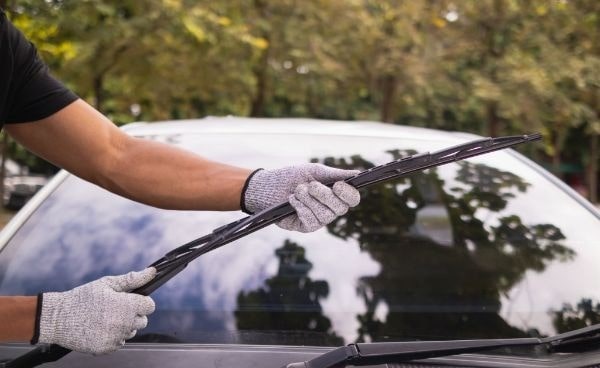
Replacing wipers is usually a simple DIY job. Many auto parts stores, including SparesFlex, offer easy-to-install blades with instructions.
However, if you’re uncomfortable with car maintenance, a mechanic can quickly handle the replacement.
Conclusion
Signs of bad windshield wipers should never be ignored. From streaking glass to reduced visibility, these warning signals are easy to spot and even easier to fix. Regular maintenance ensures your safety on the road, especially in challenging weather conditions.
For reliable and high-quality replacements, check out the wide range of windshield wipers at SparesFlex.