

Learn everything about your car radiator—how it works, signs of failure, maintenance tips, and how to choose the right one for your vehicle.
Table of Contents
What Is a Car Radiator?
A car radiator is the heart of your vehicle’s cooling system. Its primary job is to regulate engine temperature by dissipating heat from the coolant. Without it, your engine could overheat, leading to severe (and expensive) damage.
Most modern radiators are made from aluminum or copper/brass, balancing durability and heat transfer efficiency.
How Does a Car Radiator Work?
The process is straightforward but vital:
-
Coolant Absorbs Engine Heat – As the engine runs, coolant circulates through it, absorbing excess heat.
-
Hot Coolant Enters the Radiator – The heated fluid flows into the radiator’s core.
-
Heat Dissipation – Airflow (from driving or the cooling fan) cools the liquid as it passes through thin fins and tubes.
-
Coolant Returns to the Engine – The now-cooled coolant cycles back to absorb more heat.
This continuous loop keeps your engine at a safe operating temperature.
Key Components of a Car Radiator
Understanding these parts helps diagnose issues:
-
Core – The main section where heat exchange happens.
-
Inlet & Outlet Tanks – Direct coolant flow in and out.
-
Cooling Fins & Tubes – Increase surface area for better cooling.
-
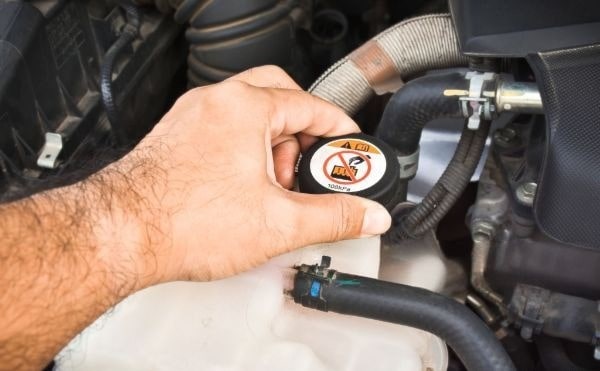
Pressure Cap – Maintains optimal pressure to prevent boiling.
-
Drain Plug – Allows for coolant flushing.
For high-quality replacements, check out SparesFlex’s car radiators.
Signs Your Car Radiator Is Failing
Watch for these red flags:
Engine Overheating – The most obvious symptom.
Coolant Leaks – Puddles under the car (often green, orange, or pink).
Discolored or Contaminated Coolant – Rust or sludge indicates corrosion.
Low Coolant Levels – Frequent refills suggest a leak.
Sweet Smell or Steam – A sign of coolant leaking onto hot engine parts.
Ignoring these can lead to engine failure—address them immediately!

Essential Car Radiator Maintenance Tips
Extend your radiator’s lifespan with these steps:
Check Coolant Levels Monthly – Top off if low.
Flush the Cooling System Every 2-3 Years – Removes rust and debris.
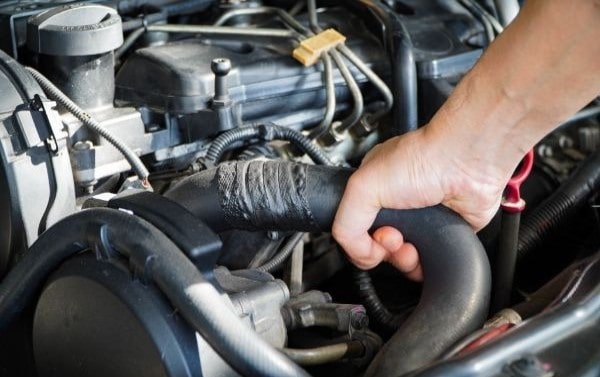
Inspect Hoses & Connections – Look for cracks or leaks.
Clean the Radiator Fins – Use compressed air to remove dirt and bugs.
For more maintenance insights, visit Car Bibles’ cooling system guide.
Common Car Radiator Problems & How to Fix Them
1. Leaks (Cracks or Corrosion)
-
Solution: Small leaks can sometimes be patched, but replacement is often safer.
2. Clogged Radiator (Reduced Cooling Efficiency)
-
Solution: Flush the system; if clogging persists, replace the radiator.
3. Faulty Thermostat (Improper Coolant Flow)
-
Solution: Replace the thermostat—a cheap and easy fix.
4. Broken Cooling Fan (Overheating in Traffic)
-
Solution: Check fuses first; if the fan motor is dead, replace it.
When Should You Replace Your Car Radiator?
Consider a new car radiator if:
Repairs are frequent and costly.
There’s visible damage (cracks, heavy corrosion).
Overheating persists despite maintenance.
A failing radiator risks engine damage—don’t delay replacements!
How to Choose the Right Car Radiator
Picking the best one depends on:
Vehicle Compatibility – Match make, model, and year.
Material – Aluminum is lightweight; copper/brass offers durability.
Cooling Needs – High-performance engines need enhanced radiators.
Browse SparesFlex’s selection for reliable options.
Final Thoughts
Your car radiator is critical for engine health. Regular checks and prompt repairs prevent breakdowns and costly damage.
For trusted radiators and auto parts, visit SparesFlex today.