
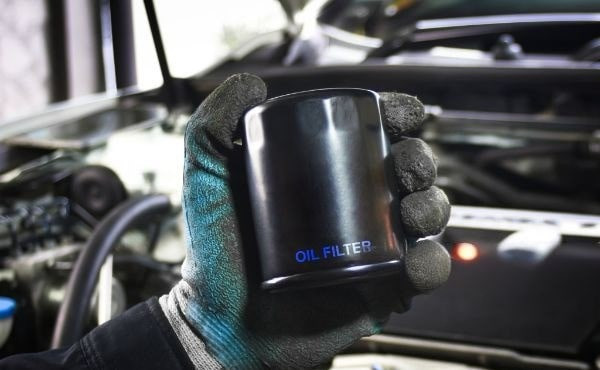
Learn everything about oil filters, their types, how they work, and why regular maintenance is crucial for your engine’s longevity.
Table of Contents
What Are Oil Filters?
Oil filters are critical components in a vehicle's lubrication system, designed to remove contaminants from engine oil before it circulates through the engine. These contaminants include dirt, metal particles, carbon deposits, and sludge that accumulate over time.
Without a properly functioning oil filter, these impurities would recirculate through the engine, causing increased friction, wear, and potential long-term damage. Modern engines rely on clean oil to lubricate moving parts, reduce heat, and prevent corrosion, making the oil filter an indispensable part of vehicle maintenance.
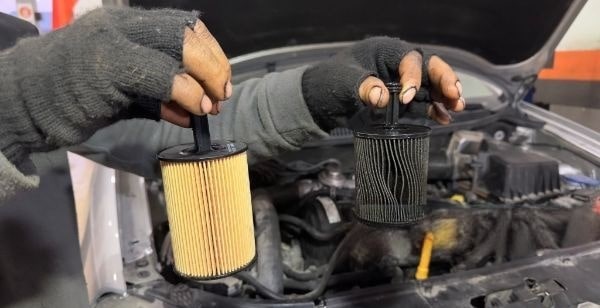
How Do Oil Filters Work?
Oil filters operate through a multi-stage filtration process that ensures only clean oil reaches the engine. Here’s a detailed breakdown:
-
Oil Enters the Filter – As the engine runs, oil is pumped from the oil pan into the oil filter.
-
Filtration Media Traps Contaminants – The oil passes through a pleated paper or synthetic fiber medium that captures particles as small as 20-40 microns.
-
Anti-Drain Back Valve Prevents Dry Starts – A rubber valve keeps oil in the filter when the engine is off, ensuring immediate lubrication upon startup.
-
Bypass Valve for Emergency Flow – If the filter becomes clogged, a bypass valve opens to allow unfiltered oil to flow, preventing engine starvation (though this is a last-resort safety feature).
-
Clean Oil Returns to the Engine – Purified oil exits the filter and circulates through the engine’s critical components.
This continuous cycle ensures that the engine remains protected from harmful debris.
Types of Oil Filters
1. Mechanical Oil Filters
The most widely used type, mechanical oil filters rely on a pleated paper or cellulose medium to trap contaminants. They are cost-effective and suitable for most standard vehicles.
Pros:
-
Affordable
-
Effective for everyday driving
-
Easy to replace
Cons:
-
Limited lifespan (typically 3,000-5,000 miles)
-
Less effective with synthetic oils
2. Magnetic Oil Filters
These oil filters use powerful magnets to attract and hold ferrous metal particles, which are common in engines with high wear rates (e.g., performance or diesel engines).
Pros:
-
Captures tiny metal shavings
-
Extends oil life
-
Low maintenance
Cons:
-
Doesn’t filter non-metallic contaminants
-
Requires periodic cleaning
3. Centrifugal Oil Filters
Common in heavy-duty and industrial engines, centrifugal oil filters use rotational force to separate impurities from the oil.
Pros:
-
Highly efficient
-
Long-lasting
-
Ideal for high-performance engines
Cons:
-
More expensive
-
Complex installation
4. High-Efficiency Oil Filters
Designed for synthetic oils, these filters use advanced synthetic media to capture smaller particles (as tiny as 10 microns).
Pros:
-
Superior filtration
-
Compatible with synthetic oils
-
Longer service intervals
Cons:
-
Higher cost
-
Overkill for older engines
For a wide selection of high-quality oil filters, visit SparesFlex.
Why Are Oil Filters Important?
A well-maintained oil filter provides several key benefits:
-
Prevents Engine Wear – Clean oil reduces friction between moving parts.
-
Extends Oil Life – Removing contaminants keeps oil effective longer.
-
Improves Fuel Efficiency – Reduced engine strain leads to better mileage.
-
Avoids Costly Repairs – Sludge buildup can cause engine failure.
Neglecting oil filter maintenance can lead to:
-
Increased engine heat
-
Reduced lubrication
-
Premature engine wear

When Should You Replace Your Oil Filter?
Most manufacturers recommend replacing the oil filter every 5,000 to 7,500 miles, or with every oil change. However, driving conditions can affect this interval:
-
Severe Driving Conditions (towing, off-roading, extreme temperatures) → Replace every 3,000-5,000 miles.
-
Normal Driving → Follow the manufacturer’s recommendation.
Signs You Need a New Oil Filter:
-
Dark, Gritty Oil – Indicates excessive contaminants.
-
Engine Knocking – Poor lubrication due to clogging.
-
Low Oil Pressure Warning – Restricted oil flow.
How to Choose the Right Oil Filter
Selecting the best oil filter depends on several factors:
-
Vehicle Compatibility – Check your owner’s manual for specifications.
-
Filtration Efficiency – Look for filters with a high micron rating (lower numbers trap smaller particles).
-
Construction Quality – Synthetic media lasts longer than cellulose.
-
Anti-Drain Back Valve – Prevents dry starts.
-
Burst Pressure Rating – Ensures durability under high pressure.
For trusted options, browse SparesFlex’s Oil Filter Collection.
Common Oil Filter Problems and Solutions
| Problem | Cause | Solution |
|---|---|---|
| Clogged Filter | Dirty oil, overdue replacement | Replace filter immediately |
| Leaking Gasket | Improper installation, worn seal | Reinstall or replace gasket |
| Bypass Valve Failure | Defective filter, extreme contamination | Use high-quality filters |
| Low Oil Pressure | Clogged filter, wrong viscosity oil | Check filter and oil grade |
FAQs About Oil Filters
1. Can I Clean and Reuse an Oil Filter?
No, disposable oil filters are designed for one-time use. Reusing them can lead to engine damage.
2. What Happens If I Don’t Change My Oil Filter?
Contaminants will build up, reducing lubrication and potentially causing engine failure.
3. Are Expensive Oil Filters Worth It?
For high-performance or synthetic oil users, yes. Standard engines may not need premium filters.
4. Can a Bad Oil Filter Cause Engine Noise?
Yes, a clogged filter restricts oil flow, leading to knocking or ticking sounds.
5. How Do I Know If My Oil Filter Is Installed Correctly?
Ensure the gasket is seated properly and hand-tightened (no over-tightening).
Conclusion
Oil filters are a small but vital part of your vehicle’s health. Regular replacement ensures optimal engine performance, longevity, and fuel efficiency.
For premium oil filters at competitive prices, visit SparesFlex today!