
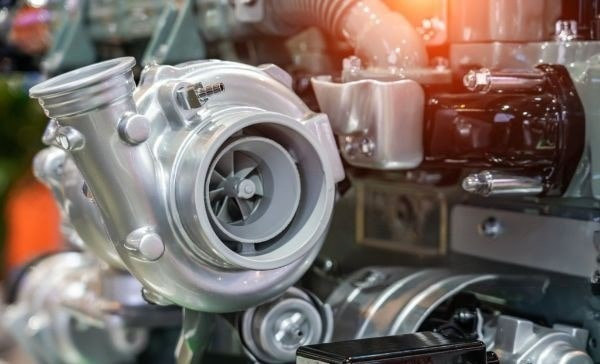
Get the straight facts on turbochargers - how they really work, surprising benefits, common failures mechanics won't tell you about, and where to find trustworthy replacements.
What You'll Discover
The Nuts and Bolts of Turbocharging
Let's cut through the marketing hype. Turbochargers aren't magic - they're exhaust gas recyclers with attitude. Here's the raw truth:
-
Your engine's wasted exhaust gases (normally just noise and pollution) get forced through a turbine at insane speeds
-
This spins a compressor that rams 30-50% more air into your cylinders
-
More air means you can burn more fuel = free horsepower
But here's what sales brochures won't tell you: that "free" power comes with strings attached.
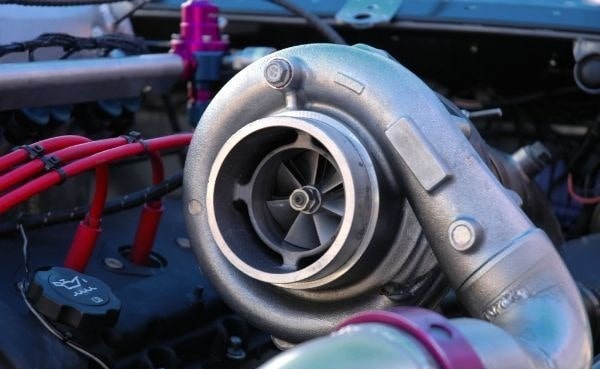
What Really Happens Inside That Spinning Metal Can
The Dirty Truth About Boost
When your turbo spools up, it's not just making cool whooshing sounds - it's creating extreme conditions:
-
Turbine speeds: 150,000-250,000 RPM (that's 3x faster than a jet engine)
-
Exhaust gas temps: Often exceeding 1800°F
-
Boost pressures: 15-30 PSI crammed into your engine
Why Intercoolers Aren't Optional
That compressed air gets hot enough to fry eggs. Without proper cooling:
-
Engine knock becomes inevitable
-
Power gains disappear
-
You're one bad tank of gas away from disaster
Turbo Parts That Make or Break Your Engine
-
The Turbine Wheel - Takes a beating from scorching exhaust gases daily
-
Compressor Wheel - Aluminum blades can erode from dirty air intake
-
Journal Bearings - Failures here send metal shards through your oil system
-
Wastegate Actuator - When this sticks, say hello to catastrophic overboost
Want the full technical breakdown? Check this real-world turbo teardown from engine pros.
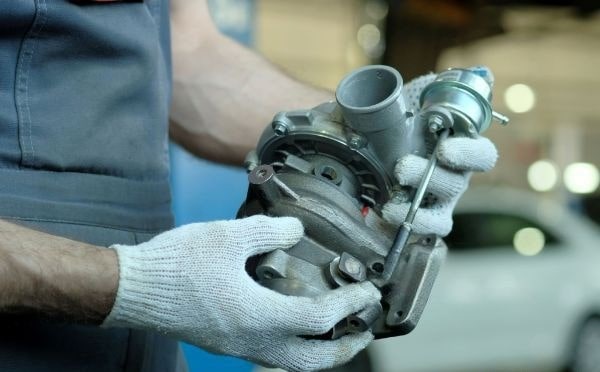
The Hidden Trade-Offs of Turbo Power
✔ The Good:
-
40% more power from the same displacement
-
Better highway fuel economy
✖ The Ugly:
-
Oil changes become life-or-death maintenance
-
Premium fuel requirements on most models
-
Repair bills that'll make your eyes water
Turbo Failures Most Owners Ignore Until It's Too Late
The Silent Killers
-
Oil Coking - Shutting off a hot turbo bakes oil into carbon deposits
-
Boost Leaks - Losing just 2 PSI can cost 20+ horsepower
-
Wastegate Rattle - Early warning sign most drivers miss
When to Panic
-
Blue smoke at startup = Bad turbo seals
-
Whining under acceleration = Bearing failure incoming
-
Sudden power loss = Potential catastrophic failure
For real-world case studies, see these turbo failure autopsies.

Pro Mechanic Secrets for Turbo Longevity
1. The 30-Second Rule
After hard driving, idle for 30 seconds before shutting off. Your turbo's lifespan thanks you.
2. Oil Quality Matters
Cheap oil = turbo murder. Use only manufacturer-specified synthetic blends.
3. Air Filter Vigilance
A clogged filter is like making your turbo breathe through a straw.
Where Turbo Tech is Headed Next
-
Electric Assist Turbos - Combines instant response with traditional boost
-
Ceramic Ball Bearings - Lasts 3x longer than conventional designs
-
Smart Wastegates - Self-adjusting for perfect boost at all RPMs
Buying Turbos Without Getting Scammed
The turbo aftermarket is full of:
-
Rebranded Chinese junk
-
"Rebuilt" units with worn internals
-
Counterfeit name-brand turbos
Red Flags to Watch For:
-
Prices too good to be true
-
Vague warranty terms
-
No core charge policy
For verified OEM-quality turbos, SparesFlex's turbo selection comes with proper testing documentation.
Final Reality Check
Turbos give you more power, but demand more responsibility. Treat them right, and they'll transform your driving experience. Neglect them, and they'll transform your wallet into an empty husk.