
Table of Contents
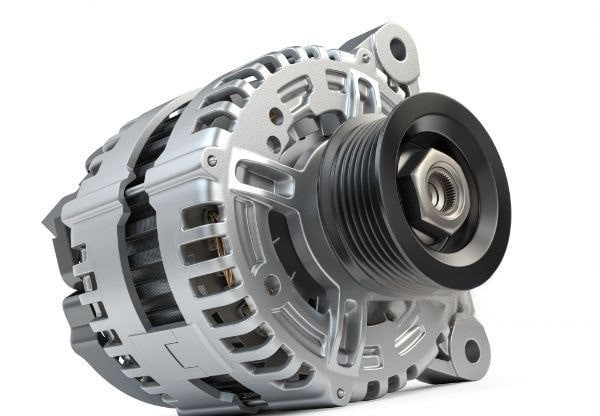
What Is an Alternator?
An alternator is a crucial component in a vehicle's charging system. It converts mechanical energy into electrical energy, powering the car's electrical systems and recharging the battery while the engine runs. Without a functioning alternator, a vehicle's battery would quickly drain, leaving the car unable to start or operate essential electronics.
For high-quality alternators, check out SparesFlex’s alternator collection.
How Does an Alternator Work?
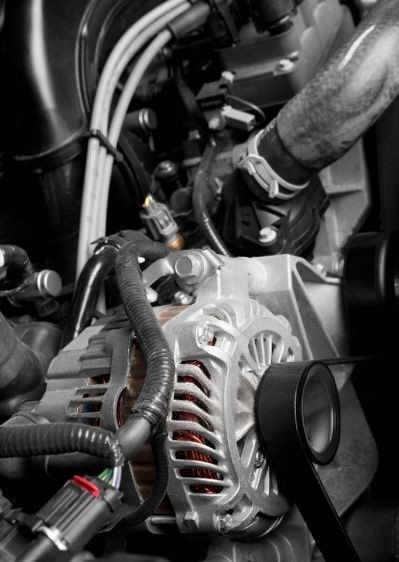
The alternator operates using electromagnetic induction. Here’s a simplified breakdown:
-
Engine Power: The engine drives the alternator via a serpentine belt.
-
Magnetic Field Generation: The rotor (a rotating electromagnet) spins inside the stator (a stationary set of wire coils).
-
Electricity Production: As the rotor spins, it induces an alternating current (AC) in the stator windings.
-
Conversion to DC: A rectifier converts AC into direct current (DC) for the vehicle’s electrical systems.
-
Voltage Regulation: The voltage regulator ensures stable power output to prevent overcharging.
For a deeper dive into alternator mechanics, visit HowStuffWorks’ alternator guide.
Key Components of an Alternator
Understanding the main parts of an alternator helps diagnose issues:
1. Rotor
The rotating electromagnet that generates a magnetic field.
2. Stator
A stationary set of coils where electricity is induced.
3. Diode Rectifier
Converts AC to DC for the vehicle’s electrical system.
4. Voltage Regulator
Controls output voltage to prevent battery damage.
5. Cooling Fan

Signs of a Failing Alternator
A failing alternator can cause multiple issues:
-
Dim or Flickering Lights (headlights, dashboard)
-
Dead Battery (frequent jump-starts needed)
-
Strange Noises (grinding, whining from the engine)
-
Electrical Failures (power windows, radio malfunctioning)
-
Warning Light (battery or ALT light on dashboard)
If you notice these signs, inspect your alternator soon.
How to Test an Alternator
Testing an alternator can be done with a multimeter:
-
Check Battery Voltage (should be 12.6V when off).
-
Start the Engine (voltage should rise to 13.8–14.4V).
-
Load Test (turn on headlights, AC—voltage should stay stable).
For a visual guide, watch this alternator testing tutorial.
Alternator Maintenance Tips
Extend your alternator’s lifespan with these tips:
-
Inspect the Drive Belt (cracks or looseness can affect performance).
-
Clean Battery Terminals (corrosion disrupts charging).
-
Avoid Overloading Electrical Systems (extra accessories strain the alternator).
Regular checks help prevent sudden failures.
When to Replace an Alternator
Most alternators last 7–10 years. Consider replacement if:
-
Testing confirms low voltage output.
-
Repairs cost more than a new unit.
-
Frequent electrical issues persist.
Find reliable replacements at SparesFlex.
Choosing the Right Alternator for Your Vehicle
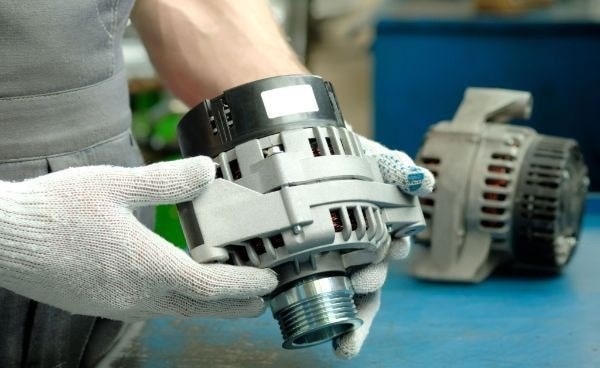
When selecting an alternator, consider:
-
Amperage Rating (matches your vehicle’s power needs).
-
Warranty Coverage (longer warranties indicate reliability).
Consult your vehicle manual or a mechanic for guidance.
Conclusion
The alternator is vital for keeping your vehicle’s electrical systems running. Recognizing early failure signs, performing routine checks, and choosing the right replacement ensures smooth driving.
For premium alternators, explore SparesFlex’s inventory.