
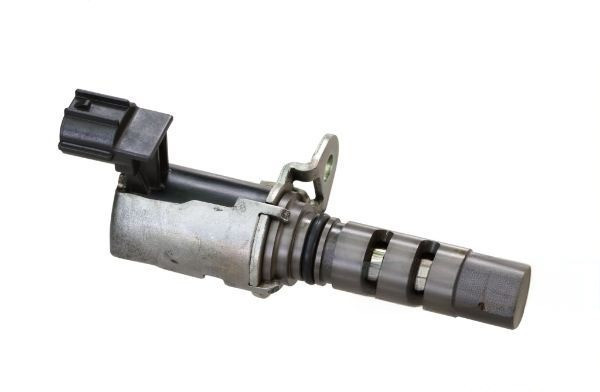
Discover the Variable Valve Timing (VVT) system and its 7 powerful benefits that enhance engine performance, fuel efficiency, and longevity.
Table of Contents
What Is Variable Valve Timing (VVT)?
Variable Valve Timing (VVT) is an advanced automotive technology that dynamically adjusts the timing of a vehicle’s intake and exhaust valves. Unlike traditional engines with fixed valve timing, VVT optimizes valve operation based on driving conditions, improving power, efficiency, and emissions control.
This technology was first introduced in the 1980s and has since become a standard feature in modern engines. By fine-tuning valve timing, Variable Valve Timing (VVT) ensures that engines perform optimally whether idling, accelerating, or cruising at high speeds.
For a historical perspective, read SAE International’s report on VVT evolution.
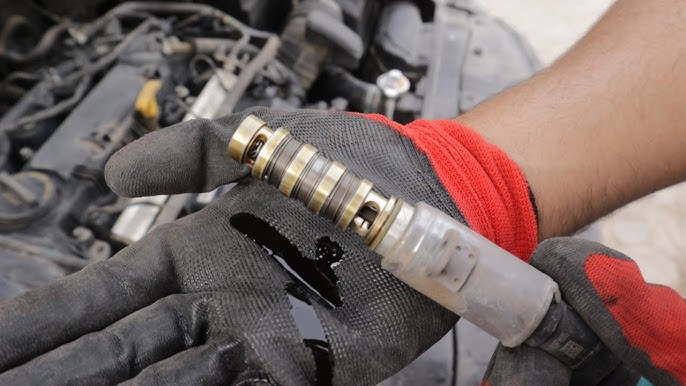
How Does Variable Valve Timing (VVT) Work?
Variable Valve Timing (VVT) systems rely on a combination of mechanical and electronic components to adjust valve timing. Here’s a breakdown of the process:
Key Components
-
Camshaft Phasers: Hydraulic or electronic devices that rotate the camshaft relative to the crankshaft.
-
Oil Control Valves (OCVs): Regulate oil flow to the phasers, enabling precise adjustments.
-
Engine Control Unit (ECU): Processes data from sensors to determine optimal valve timing.
Operation
-
Sensors monitor engine speed, load, and temperature.
-
The ECU calculates the ideal valve timing.
-
Oil pressure activates the phasers to adjust camshaft position.
-
Valves open/close at the optimal moment for efficiency and power.
For a technical deep dive, visit HowStuffWorks’ guide to VVT.
7 Powerful Benefits of Variable Valve Timing (VVT)
1. Improved Engine Performance
Variable Valve Timing (VVT) enhances horsepower and throttle response by optimizing valve operation. By adjusting valve timing based on RPM, engines deliver smoother power delivery across all speed ranges.
-
High-RPM Performance: Delays valve closing to maximize airflow.
-
Low-RPM Efficiency: Advances timing for better torque.
2. Enhanced Fuel Efficiency
By precisely controlling valve timing, VVT reduces fuel wastage during combustion. Studies show that engines with VVT can improve fuel economy by 5–10% compared to fixed-timing engines.
-
Leaner Air-Fuel Mixture: Optimized valve overlap reduces pumping losses.
-
Reduced Throttle Dependency: Improves efficiency in city driving.
3. Reduced Emissions
Variable Valve Timing (VVT) helps engines meet stringent emission standards (e.g., Euro 6, EPA Tier 3) by ensuring complete combustion.
-
Lower Hydrocarbon Emissions: Minimizes unburnt fuel.
-
Controlled NOx Production: Adjusts valve overlap to reduce nitrogen oxides.
4. Better Torque at Low RPM
Traditional engines struggle with low-end torque, but VVT improves responsiveness at low RPMs. This is especially beneficial for:
-
Stop-and-Go Traffic
-
Towing and Hauling
5. Increased Engine Longevity
Optimized valve timing reduces stress on components like pistons, valves, and camshafts. This leads to:
-
Fewer Mechanical Failures
-
Extended Engine Lifespan
6. Smoother Idle and Acceleration
By fine-tuning valve operation, VVT minimizes vibrations and ensures a smoother ride.
7. Adaptability to Driving Conditions
Whether cruising on the highway or accelerating aggressively, VVT adjusts valve timing for optimal performance.
Common Types of Variable Valve Timing (VVT) Systems
| Type | Description | Example Applications |
|---|---|---|
| Cam-Phasing VVT | Adjusts camshaft angle using oil pressure. | Toyota VVT-i, BMW VANOS |
| Cam-Changing VVT | Switches between different cam profiles. | Honda VTEC |
| Continuous VVT | Allows infinite adjustment for precision. | Audi Valvelift System |
For a detailed comparison, check out Car and Driver’s VVT guide.
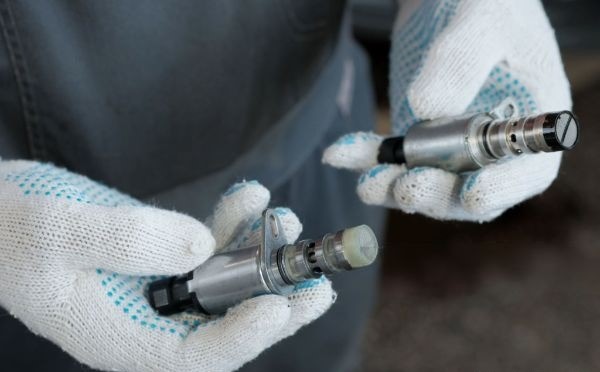
Maintenance Tips for Variable Valve Timing (VVT) Systems
-
Use High-Quality Engine Oil
-
Dirty or low-viscosity oil can clog VVT solenoids.
-
Follow manufacturer recommendations (e.g., 5W-30 synthetic).
-
-
Replace Timing Components on Schedule
-
Worn phasers or chains affect performance.
-
Typical replacement interval: 60,000–100,000 miles.
-
-
Listen for Unusual Noises
-
Rattling at startup may indicate a failing VVT component.
-
For VVT parts, visit SparesFlex’s VVT components collection.
Frequently Asked Questions (FAQs)
Q: Can a faulty VVT system damage my engine?
A: Yes. A malfunctioning VVT system can cause poor performance, increased emissions, and even engine knocking.
Q: Is VVT only for high-performance cars?
A: No. Variable Valve Timing (VVT) is used in economy cars, hybrids, and trucks for efficiency and power.
Q: How do I know if my VVT system is failing?
A: Look for:
-
Check engine light (e.g., P0011 code).
-
Rough idling or hesitation.
-
Reduced fuel economy.
Conclusion
Variable Valve Timing (VVT) is a cornerstone of modern engine design, offering a balance of power, efficiency, and durability. By understanding its benefits and maintenance needs, drivers can maximize their vehicle’s performance.
For more automotive insights, explore our engine technology guides.